Proton Exchange
Membrane (PEM)
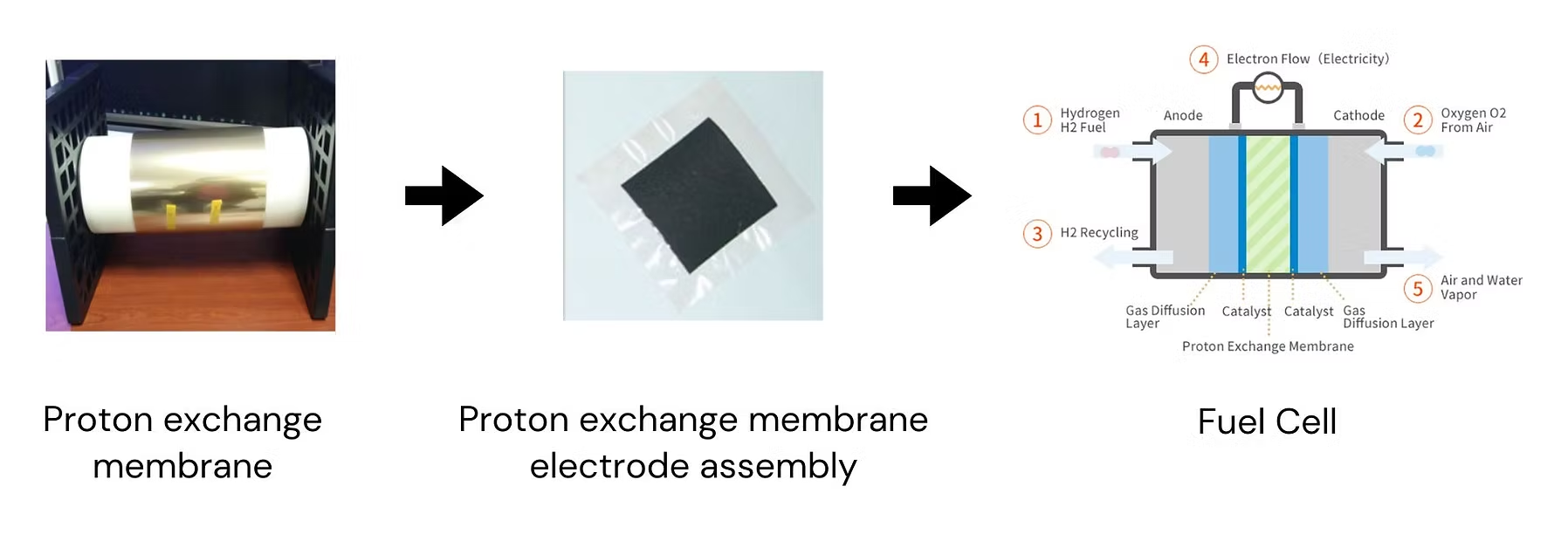
A hydrogen fuel cell generates electricity through an electrochemical reaction between hydrogen and oxygen, without combustion. At its heart lies the Proton Exchange Membrane (PEM), a critical component that allows protons to pass from the anode to the cathode while blocking electrons, forcing them to travel through an external circuit, thus generating an electric current.
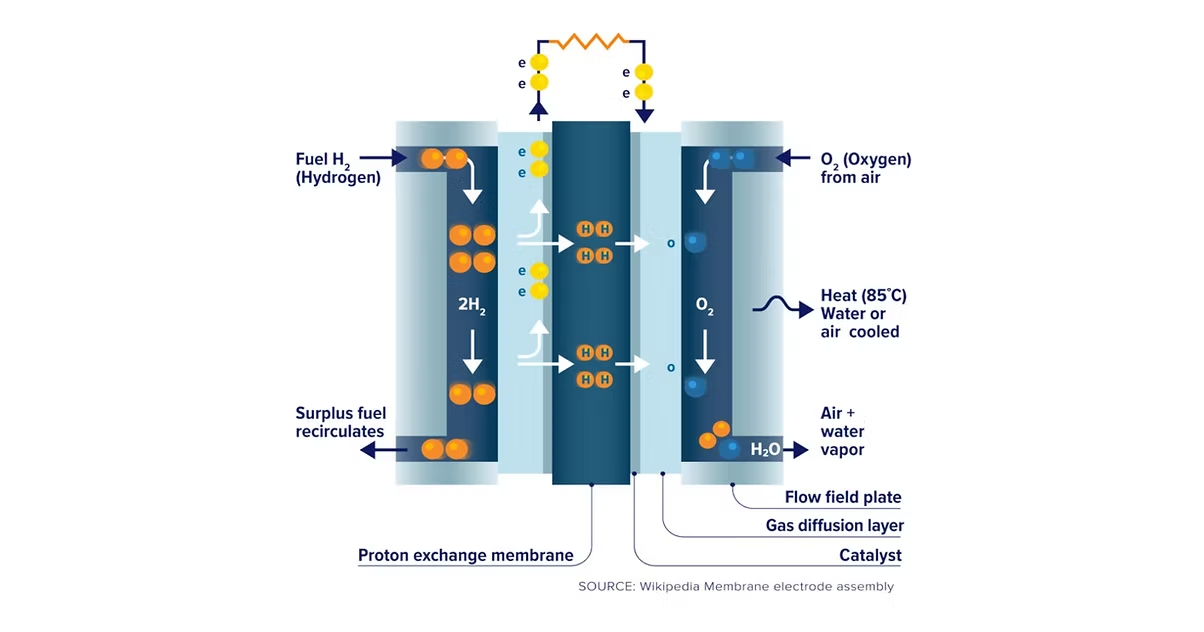
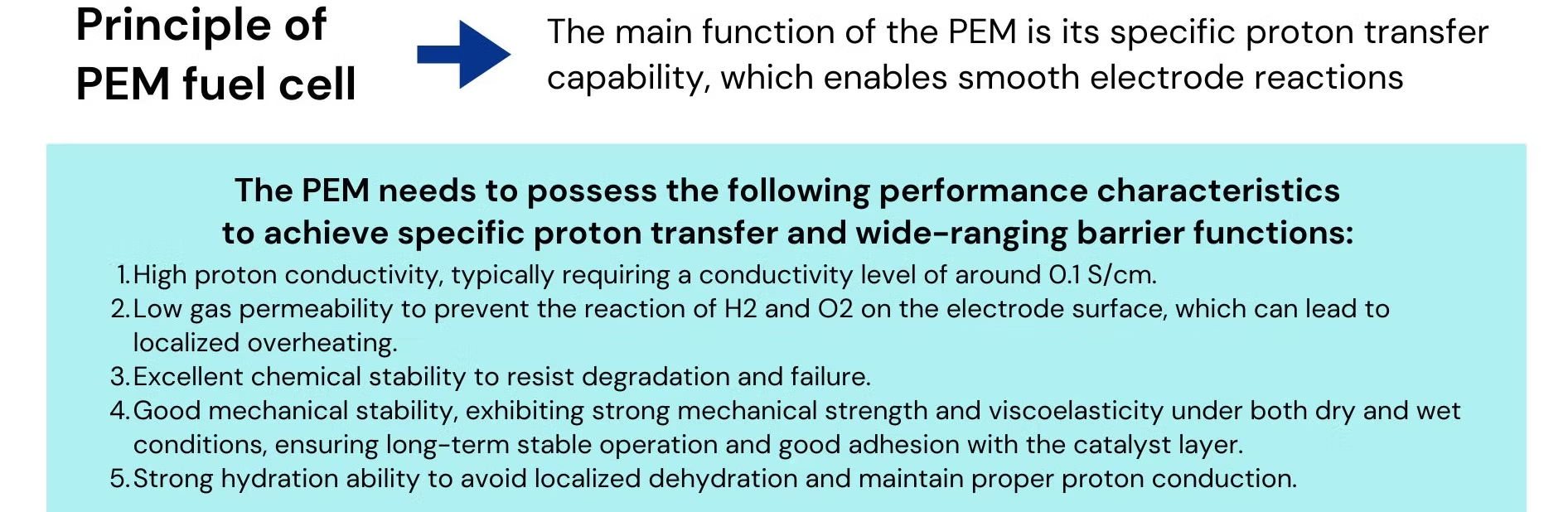
This membrane’s selective permeability is essential for the fuel cell’s efficiency, as it facilitates the combination of hydrogen protons and oxygen on the cathode side to produce water—the only emission. The PEM’s properties, such as proton conductivity, gas impermeability, and chemical stability, are pivotal to the fuel cell’s performance, making it a focal point for innovation in fuel cell technology.
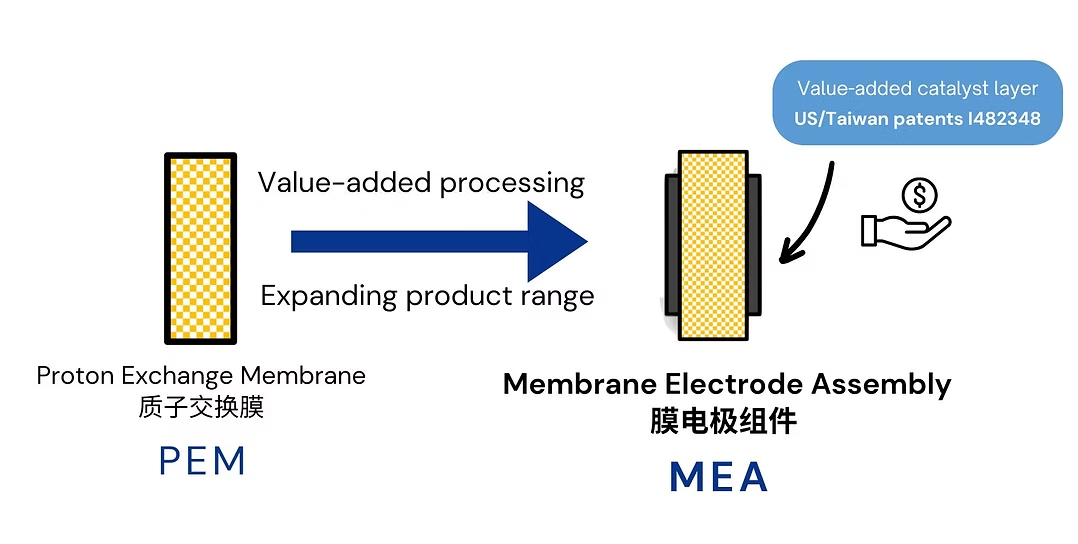
Transforming a Proton Exchange Membrane (PEM) into a Membrane Electrode Assembly (MEA) is a sophisticated process that involves integrating the PEM with catalyst-coated electrodes and gas diffusion layers through value-added processing.
This integration is crucial for the MEA’s function in a PEM fuel cell, where it facilitates the electrochemical reactions necessary for converting hydrogen and oxygen into electricity. The PEM’s selective permeability to protons is essential, as it allows the necessary separation of charges to create an electric current. By employing advanced manufacturing techniques, we can enhance the MEA’s performance, thereby expanding our product range and contributing to the development of efficient, clean energy technologies.
Applications of PEM
PEM fuel cell
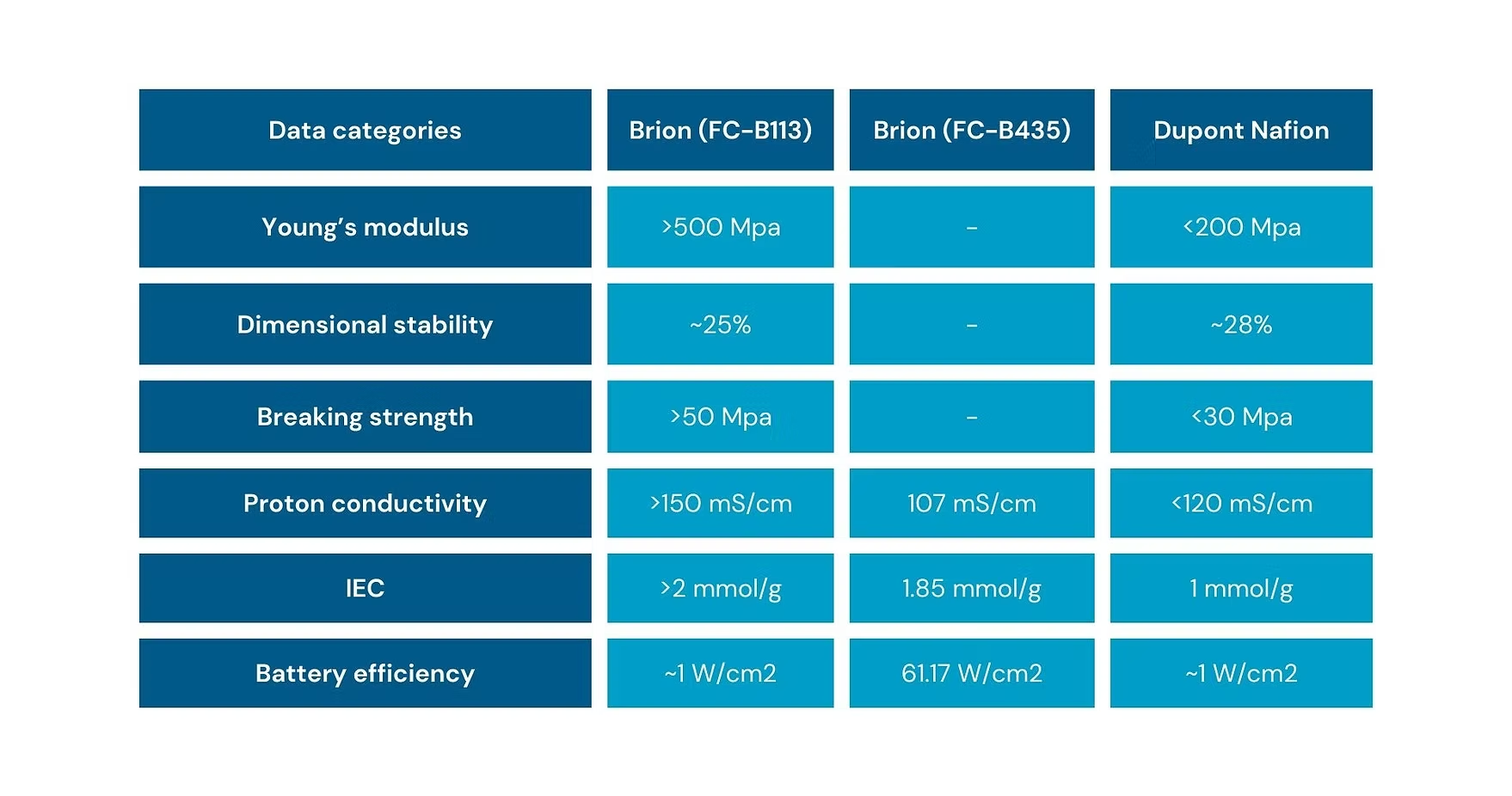
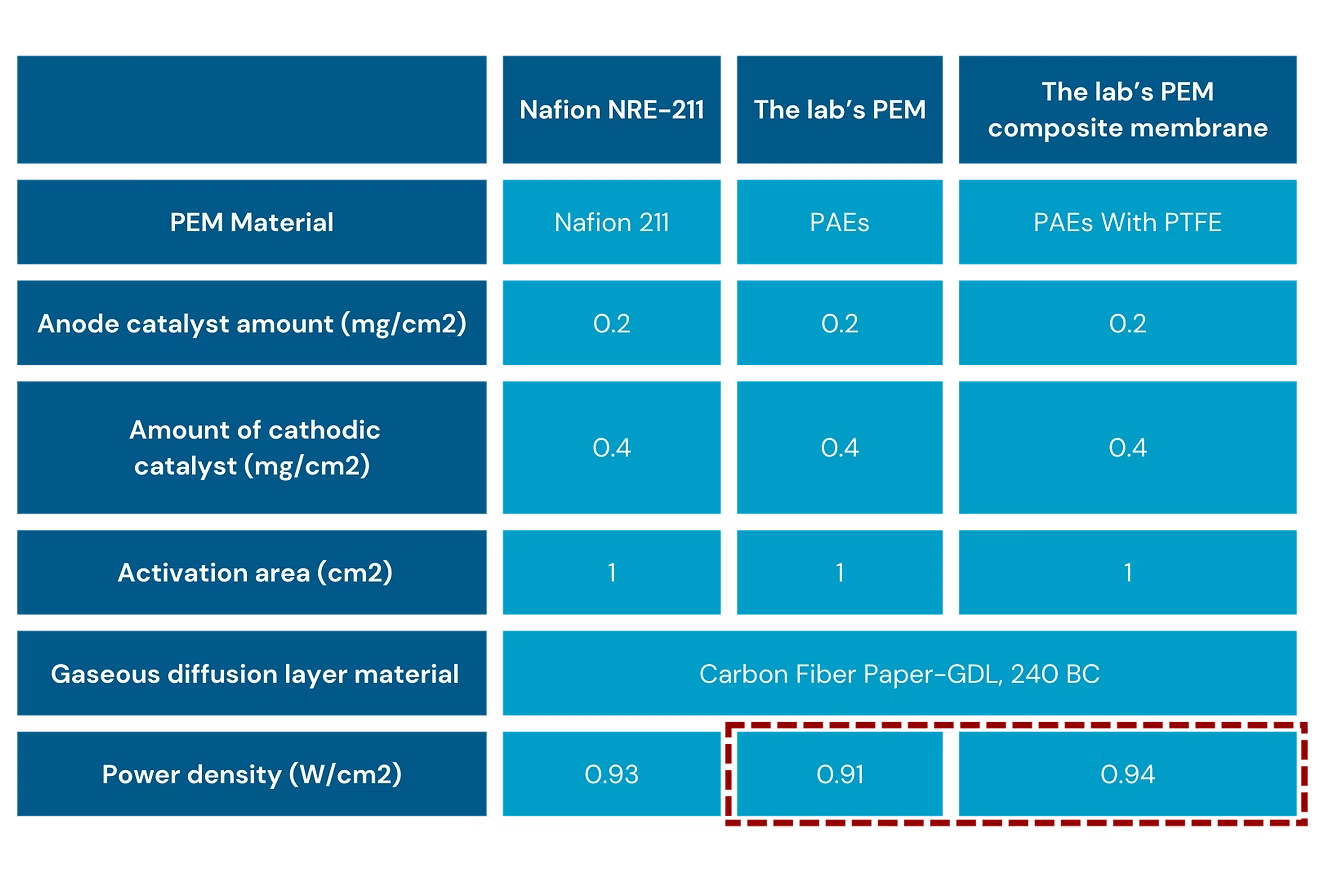
Product comparison
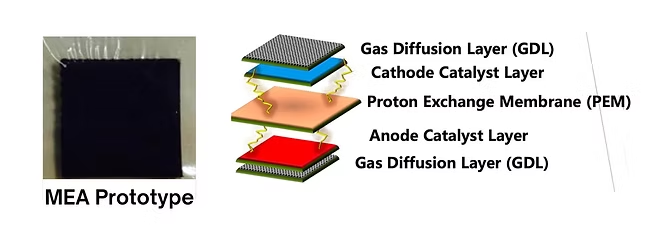
Comparison of MEA Features